

How to Add Your Company Logo to Uniforms: Embroidery vs Screen Printing vs Heat transfer
- June 19, 2026
- Posted by: admin
- Category: Uniform Manufacturer
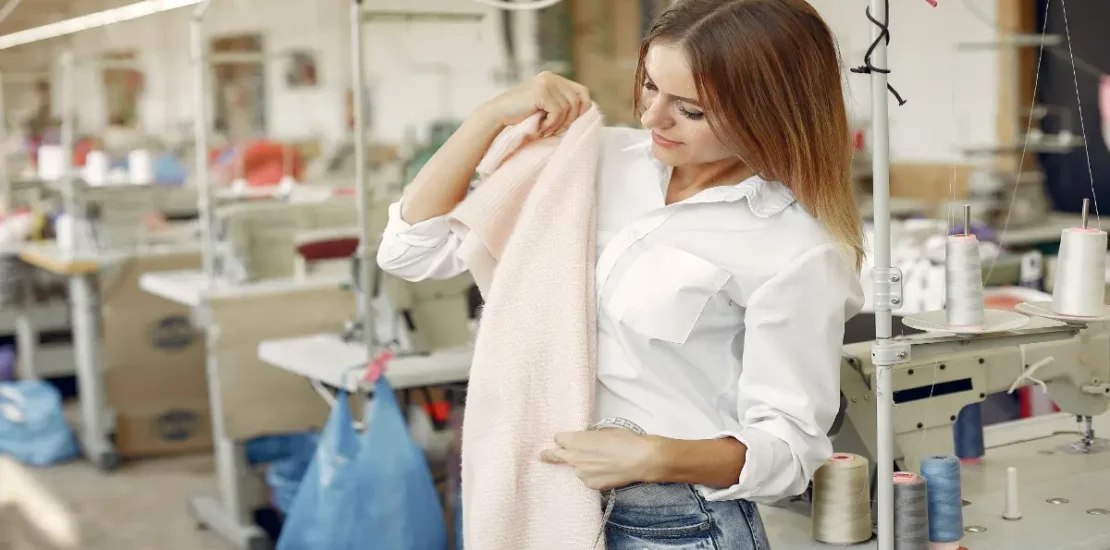
Adding a company logo to uniforms is more than branding; it defines how professional and consistent a workforce appears. This guide explains the most effective methods used in modern uniform customization.
A company uniform is no longer just functional clothing; it is a direct reflection of brand identity and workplace professionalism. The way a logo is applied plays a major role in durability, visibility, and overall presentation.
In most organisations, company uniforms with logo are now a standard requirement across corporate, retail, hospitality, and industrial sectors. The method used for logo application often decides how long the branding lasts and how sharp it looks over time.
Businesses today are shifting towards structured custom logo uniforms in India, where durability, consistency, and cost efficiency matter more than just visual appeal. This makes the choice of printing technique a critical decision in procurement.
Embroidery vs Screen Printing vs Heat Transfer: Key Methods Explained
Different branding methods serve different operational needs depending on fabric type, usage frequency, and industry requirements. Choosing the right method ensures long-term visibility and cost efficiency.
1. Embroidery (Premium & Durable Finish)
Embroidery uses thread stitching to create a textured logo directly on fabric. It is widely used in premium corporate and industrial uniforms, and many businesses working with an industrial uniform manufacturer prefer embroidery for its durability and professional finish.”
- Best for: company uniform shirts, formal wear, jackets
- Highly durable and long-lasting even after repeated washes
- Gives a professional and premium appearance
2. Screen Printing (Cost-Effective Bulk Solution)
Screen printing applies ink through a mesh stencil onto fabric, making it ideal for large-scale production. It is commonly used in promotional and daily-use uniforms.
- Best for: bulk t-shirt printing in Mumbai for events, and staff uniforms
- Cost-efficient for large quantity orders
- Works well for simple and bold designs
3.Heat Transfer (Flexible & Modern Option)
Heat transfer uses heat and pressure to apply printed designs onto fabric. It is suitable for detailed and multi-colour logos.
- Best for: company logo on t-shirt for small batch orders
- Allows high-detail and multi-colour designs
- Suitable for corporate t-shirt printingrequirements
Each method offers different benefits depending on usage, fabric type, and budget. Selecting the right option ensures greater brand visibility and consistent, long-term performance.
Choosing the Right Method for Your Business Uniforms
Selecting the correct branding technique depends on the usage environment and order volume. Each business must evaluate durability, cost, and visual requirements before finalising a method.
- Fabric Compatibility
Not all techniques work on all fabrics, especially heavy industrial materials or stretch fabrics. Choosing the right method ensures better adhesion and finish.
- Order Quantity
Bulk orders often favour screen printing, while smaller premium batches tend to favour embroidery. This balance helps manage cost efficiency.
- Branding Complexity
Simple logos work well with embroidery or screen printing, while detailed designs require heat transfer. This ensures clarity and accuracy in branding.
A structured approach helps businesses standardise company uniforms with logo across departments. It also ensures consistency in appearance across all workforce levels.
Cost and Production Considerations in Uniform Branding
Cost plays a major role in selecting the right printing method for uniforms. Businesses must balance budget with durability and branding quality.
| Method | Cost Level | Durability | Best Use Case |
| Embroidery | High | Very High | Premium corporate uniforms |
| Screen Printing | Low | Medium | Bulk uniforms and events |
| Heat Transfer | Medium | Medium | Detailed logos and small batches |
Each method impacts production timelines and scalability. Businesses engaged in t-shirt printing in Mumbai often choose based on turnaround time and order volume.
How Businesses Choose the Right Uniform Branding Method
Selecting the right logo application method depends on cost, usage frequency, and fabric type. Businesses evaluate multiple factors before finalising the best option for their workforce uniforms.
- Fabric compatibility
- Order volume and scalability
- Budget allocation per unit
- Design complexity of logo
- Wash durability requirements
- Industry usage environment
Each of these factors directly influences the final quality and performance of uniform branding. A wrong choice can lead to fading, cracking, or reduced professional appearance over time.
A structured evaluation ensures better consistency across company uniforms with logo and helps businesses maintain a strong and reliable brand identity across all teams.
Industry Use of Logo-Based Uniforms
Logo placement on uniforms varies across industries depending on visibility and function. Each sector uses branding differently for identity and communication.
- Corporate Sector
Focuses on clean, minimal branding for professionalism. Common in corporate t-shirt printing for internal teams.
- Hospitality Sector
Uses visible logos for guest recognition and brand recall. Uniforms must balance aesthetics and durability.
- Security & Industrial Sector
Prioritises visibility and identification. Strong branding helps in authority recognition.
- Retail & Events
Uses bold and visible logos for marketing impact. Often relies on bulk t-shirt printing in Mumbai for large workforce deployment.
Each industry uses branding strategically to improve recognition and trust. This makes logo application a key part of uniform planning.
A Smarter Way to Approach Uniform Branding Decisions
Adding a logo to uniforms is a strategic branding decision that impacts how a business is perceived across all touchpoints. The choice between embroidery, screen printing, and heat transfer depends on durability, budget, and usage environment.
In modern procurement systems, company uniforms with logo are designed not just for appearance but also for long-term brand consistency and operational practicality. Businesses that invest in the right technique achieve better uniform performance and a stronger identity across teams.
Atvio provides structured, uniform manufacturing solutions, supporting businesses with scalable customization and high-quality branding options. They help ensure consistency across company uniform shirts and other uniform categories while maintaining production reliability.
For businesses looking to upgrade or standardise their uniform branding, requesting a quote or sample evaluation is the next step toward building a consistent and professional workforce identity.