

How Security Uniform Manufacturers Evaluate Uniform Samples Before Production
- May 7, 2026
- Posted by: admin
- Category: Security Uniform
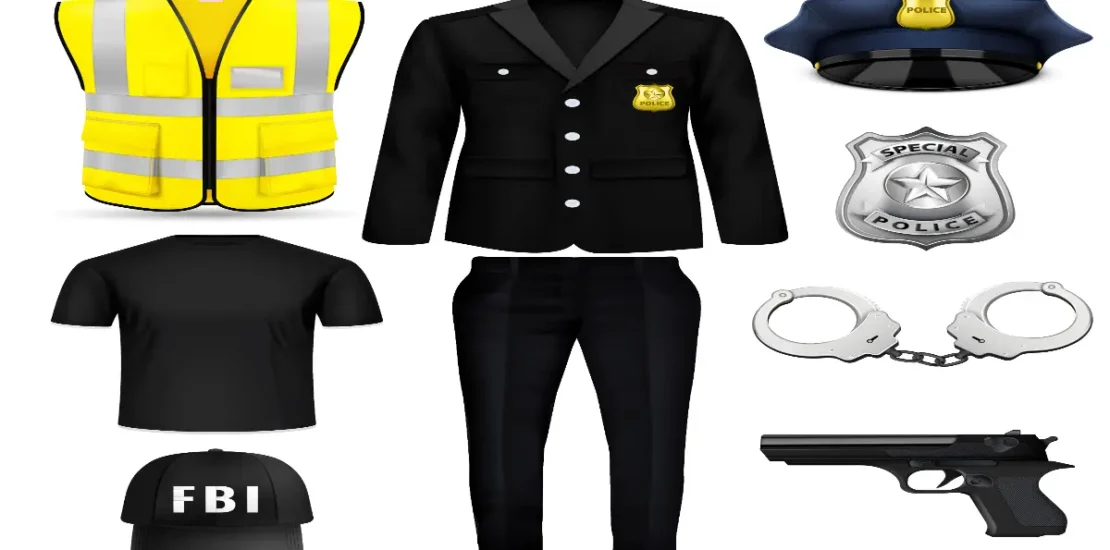
Evaluating uniform samples before bulk production helps prevent errors and ensures better quality and fit. This blog explains how businesses can check samples properly before final approval.
Bulk uniform orders are common across security, schools, and facility management teams. But once production begins, changes are difficult and often expensive.
Many issues only appear after delivery. These include poor fabric quality, wrong sizing, or discomfort during long working hours. Such problems usually stem from a single point: the sample was not evaluated properly.
For businesses working with security uniform suppliers, this step is critical. Uniforms are worn daily and must perform well in real conditions, not just look correct on paper.
That is why sample evaluation is one of the most important steps before final production.
What Is a Uniform Sample & Why It Exists
A uniform sample is a trial piece made before full production begins. It represents how the final uniform will look, feel, and function when delivered in bulk.
It is not made for final use. Instead, it is created to check all key details in advance.
The main purpose of a sample is to reduce errors in bulk orders. It helps businesses and manufacturers stay aligned on design, fabric, and overall expectations.
In most cases, samples are used by companies that work with security clothing suppliers or other bulk uniform providers, where large teams depend on consistent output.
A sample usually helps in checking:
- Fabric quality and feel
- Stitching and finishing
- Fit and sizing accuracy
- Design and logo placement
It acts as a final checkpoint before production starts at scale.
Why Sample Evaluation Is a Non-Negotiable Step
Sample evaluation is not just a formality. It directly impacts the quality of the final bulk order. Skipping or rushing this step often leads to avoidable problems later.
Once production begins, making changes becomes difficult and expensive. Even small errors in fabric, fit, or design can affect many uniforms.
Careful evaluation helps businesses:
- Avoid large-scale production mistakes
- Ensure uniforms match actual work requirements
- Confirm comfort for long working hours
- Maintain consistency across all pieces
- Reduce future replacement or correction costs
A proper sample review ensures that the final production is accurate, consistent, and reliable from the start.
What Makes a Good Uniform Sample (Core Evaluation Checklist)
This stage decides whether the bulk production will be smooth or problematic. A uniform sample should be tested in real conditions, not just viewed visually. Each factor below helps make the correct final decision.
- Fabric Quality Check
The fabric should feel suitable for daily use. It must be checked for comfort, breathability, and strength based on the work environment. A good sample always feels practical, not just presentable.
- Stitching and Finishing
The stitching is the determining factor in the uniform’s longevity. It must be strong and neat. Poor finishing or other problems related to the stitching phase would likely result in early deterioration of the uniform when used in large volumes.
- Fit and Size Accuracy
Uniforms must allow for mobility while on duty. The prototype needs to undergo size testing to verify that it is neither too tight nor too loose.
- Design and Visual Accuracy
The sample must match the approved design exactly. This includes logo placement, colour shade, and overall structure. Even small differences can affect final brand consistency.
- Practical Function Testing
Uniforms are used in real working conditions. The sample needs to be assessed with regard to its ease of movement, use of pockets, and comfort during the process.
- Wash and Durability Behaviour
A sample should also be checked after washing. It should not shrink, fade, or easily lose its shape. This step helps confirm long-term usability before bulk production begins.
A sample that passes all these checks ensures a smooth production process. This becomes especially important when working with security uniform suppliers, where consistency, durability, and performance directly impact daily operations.
Real-World Sample Testing: How It Should Be Evaluated
A uniform sample should not be judged only on a table or in office conditions. The real value of a uniform is understood when it is tested in actual working situations. This step helps businesses see how the final product will truly perform.
This testing process is commonly followed by professional security clothing providers and school uniform suppliers in Mumbai to ensure uniforms remain comfortable, durable, and practical for daily use.
- Wear it during actual work conditions
The sample should be worn for a full shift to understand comfort, breathability, and fatigue level during continuous use.
- Test movement and flexibility
Walking, bending, lifting, or patrolling should feel easy, with no restriction or discomfort from the fabric or stitching.
- Observe and look after usage
The uniform should hold its shape and comfort even during busy or active work conditions.
- Test basic handling and usage
Pockets, closures, and design elements should support real tasks and not create inconvenience in the workplace.
- Collect feedback from actual users
Feedback from staff wearing the sample is more practical than a management-level review alone.
This type of real-world testing is especially important when working with security uniform suppliers, as their uniforms are used in active, demanding environments every day.
Sample Approval Framework: Final Go / No-Go Decision
Once real-world testing is complete, the next step is to make a clear decision. This stage should not be based on assumptions or partial satisfaction. It should follow a structured check to avoid mistakes in bulk production.
A uniform sample should move to production only when it meets all key requirements.
- Fit approval across team sizes
The sample should suit different body types without discomfort or adjustment issues.
- Fabric confirmation for daily use
It should feel suitable for long working hours and match the actual work environment.
- Comfort validation during full usage
The uniform should remain comfortable even after continuous wear during shifts.
- Functionality check in real tasks
Design elements like pockets, closures, and movement support should work effectively in practice.
- Wash and durability confirmation
The sample should maintain its quality after basic washing and handling.
- Final internal alignment
Both decision-makers and actual users should agree before moving forward.
Only when all points are satisfied should the sample be approved for bulk production. This reduces risk and ensures consistency in final output, especially for businesses working with security clothing suppliers where uniform reliability is critical.
Common Mistakes Businesses Make During Sample Approval
Even when a sample is provided, many businesses rush the approval process. This often leads to issues that only appear after bulk production starts. A careful review at this stage can prevent unnecessary cost and effort later.
- Approving based only on appearance
The uniform may look good, but it may not perform well in practice. Function and comfort should always be checked first.
- Skipping real usage testing
Not wearing the sample under real-world conditions often hides practical issues that surface later in daily operations.
- Ignoring feedback from staff
The people who will actually wear the uniform often provide the most accurate feedback, which is sometimes overlooked.
- Not testing after washing
Many issues, such as shrinkage or fading, appear only after washing, not during the initial inspection.
- Rushing the approval decision
Quick approvals without proper checks can lead to large-scale corrections after production.
Avoiding these mistakes helps businesses maintain consistency and reduces errors, especially when working with security uniform suppliers where bulk output must match exact expectations.
From Sample to Production: What Happens Next
Once a sample is properly evaluated and approved, the process moves into bulk production. This stage is where planning and accuracy become even more important.
- Final confirmation of design and specifications
All approved details are locked before production begins.
- Size finalisation for the entire team
Proper size distribution is planned to avoid mismatches later.
- Material sourcing and preparation
Fabric and components are arranged according to the approved sample standards.
- Bulk manufacturing begins
Production is carried out in batches while maintaining consistency.
- Quality checks during production
Regular inspection ensures every piece matches the approved sample.
This transition is critical because any mistake after approval can affect the entire order. That is why experienced security clothing suppliers always follow strict processes before moving to large-scale production.
Getting Sample Approval Right Ensures Better Bulk Results
Evaluating a uniform sample is not a quick step. It is the most important checkpoint before moving into bulk production. When businesses test fabric, fit, comfort, and real-world use, they lower the chance of mistakes and make the process run more smoothly.
A good sample ensures all uniforms match, reduces the need for replacements, and improves daily performance. This becomes especially important for sectors like security, where uniforms must remain reliable during long, active working hours.
Atvio operates as a trusted uniform manufacturer in Mumbai, focusing on structured sample development and controlled bulk production across various industries. The brand supports businesses in properly reviewing samples before final approval, ensuring the final output matches expectations in every detail.
Businesses seeking reliable security clothing suppliers for sample-based uniform production can request a quote to get started with a structured, quality-focused process.